
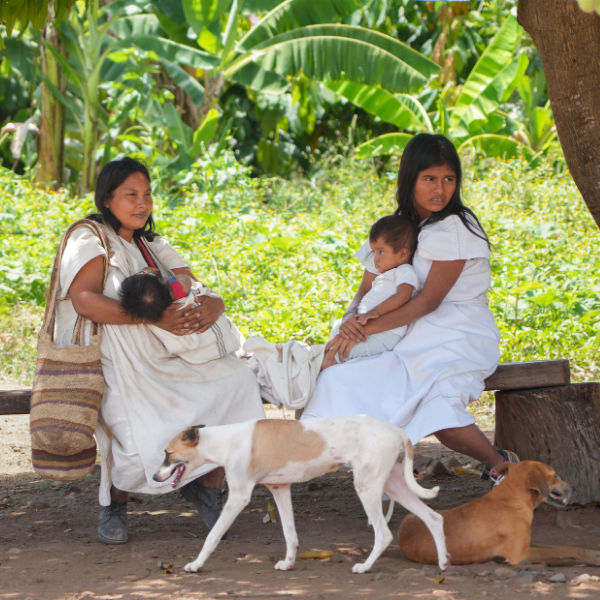
Climate shocks, rising prices and escalating conflict are leaving women in developing countries hungrier, poorer and less resilient, according to CARE’s latest Women Respond report.
Drawing on the experiences of women in Burundi, Colombia, Ethiopia, Niger, Mali, Syria and Vietnam, the report reveals the growing impact of overlapping crises as humanitarian aid and support continue to decline.
The findings are stark: three in four women surveyed say these crises are making it harder to earn money, two in three identify food shortages as their biggest challenge, and more than half are currently facing drought. Meanwhile, over 80 per cent say global aid cuts are damaging local economies, health services and essential support.
The study focuses on members of Village Savings and Loan Associations (VSLAs) which are predominantly women-led groups that pool savings and provide small loans to members. These networks offer a vital source of financial security and community support in increasingly uncertain times.
Despite the mounting challenges, women continue to lead the response. Through collective saving, mutual support and local action, they are helping their families and communities navigate crisis.
CARE’s Women Respond report highlights an urgent need to protect humanitarian support and invest in women-led solutions. Women are already driving resilience on the ground; they need the resources and support to keep doing so.